

This is where an important concept comes in: rheology.
In simple terms, rheology is the study of how fluids flow and deform under different forces.
For drilling fluids, rheology helps engineers understand how the mud will behave while circulating in the well.
Why is this important?
Because drilling mud must perform several tasks at once:
- Carry drill cuttings to the surface
- Suspend solids when circulation stops
- Flow efficiently through the drill string and annulus
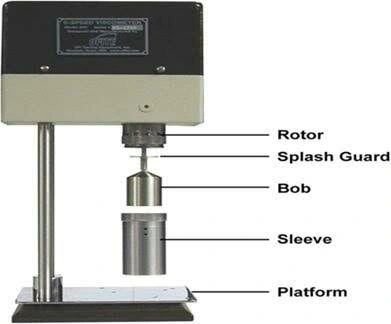
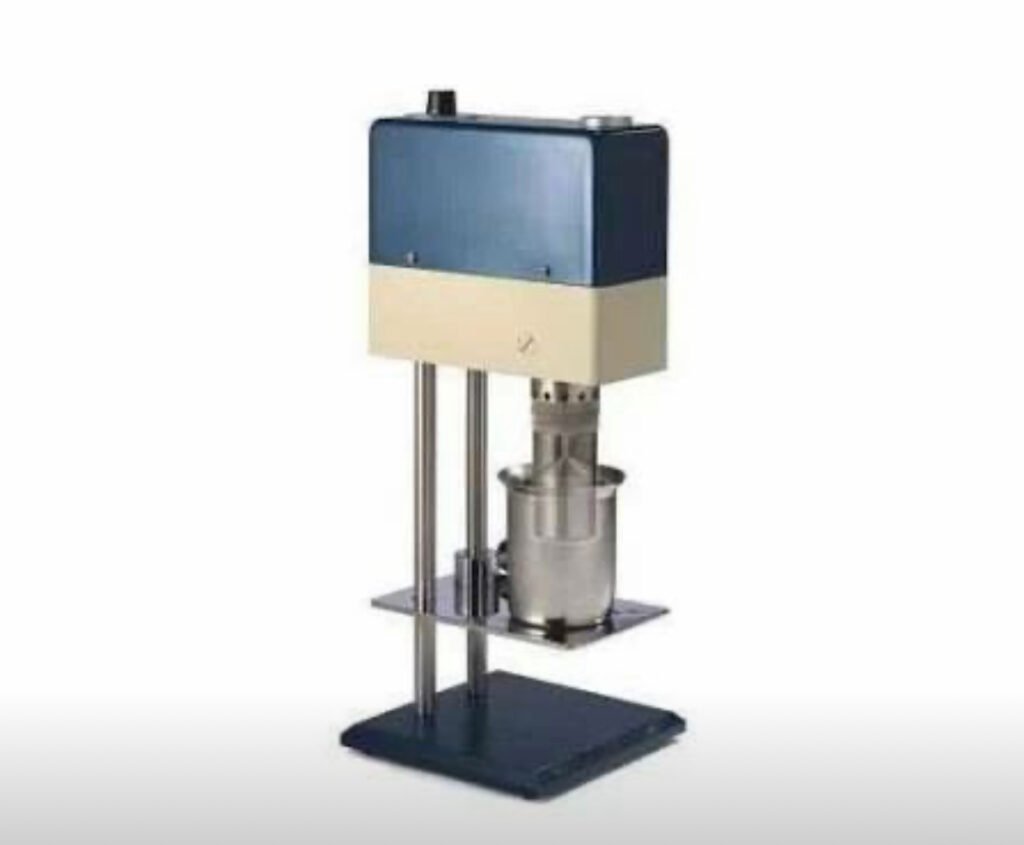
To evaluate this behavior, mud engineers commonly use a rotational viscometer.
The viscometer measures how the drilling fluid responds under different shear rates, allowing engineers to determine key rheological properties such as:
- Plastic Viscosity (PV)
- Yield Point (YP)
These parameters help engineers assess how effectively the mud can transport cuttings and maintain good hole cleaning during drilling operations.
During my training, I had the opportunity to work with tools such as the mud balance and viscometer to analyze drilling fluid properties.
Professional insight:
Mud engineers in the field—when monitoring rheology during drilling, what indicators do you usually watch most closely?
Food for Thought:
Why do you think drilling fluids must behave differently when pumps are running compared to when circulation stops?
30 Days of Mud Engineering-Day 1-What Is Drilling
30 Days of Mud Engineering-Day 2-What Is Drilling Fluid
30 Days of Mud Engineering-Day 3-How Does Drilling Fluid Control Formation Pressure
30 Days of Mud Engineering-Day 4-How Do Engineers Determine The Right Mud Weight for a Formation
30 Days of Mud Engineering-Day 6-Mud Weight
30 Days of Mud Engineering-Day 7-Why Must Drilling Mud Flow Properly
30 Days of Mud Engineering-Day 8-What Determines How Drilling Mud Actually Flows Inside The Wellbore
30 Days of Mud Engineering-Day 9-Plastic Viscosity (PV) and Yield Point (YP)
30 Days of Mud Engineering-Day 10-Fluid Loss or Filtration
30 Days of Mud Engineering-Day 11-Retort Test
30 Days of Mud Engineering-Day 12-How Stable Is The Emulsion
30 Days of Mud Engineering-Day 13-Water-Based Mud (WBM) and Oil-Based Mud (OBM)
30 Days of Mud Engineering-Day 14-Shale
30 Days of Mud Engineering-Day 15-Shale Inhibition
30 Days of Mud Engineering-Day 16-KCl–Polymer Mud
30 Days of Mud Engineering-Day 17-What Happens to All the Solids Generated During Drilling
30 Days of Mud Engineering-Day 18-How Do Mud Engineers Remove Unwanted Solids From Drilling Fluid
30 Days of Mud Engineering-Day 19-How Do Mud Engineers Maintain The Right Mud Weight During Drilling
30 Days of Mud Engineering-Day 20-Hole Cleaning
30 Days of Mud Engineering-Day 21-Stuck Pipe (Very High Engagement Topic)
30 Days of Mud Engineering-Day 22-Lost Circulation
30 Days of Mud Engineering-Day 23-Lost Circulation Materials (LCM)
30 Days of Mud Engineering-Day 24-Barite Sag
30 Days of Mud Engineering-Day 25-Gas Contamination
30 Days of Mud Engineering-Day 26-Downhole Temperature Impact On the Drilling Fluids
30 Days of Mud Engineering-Day 27-What Is The Role Of A Mud Engineer
30 Days of Mud Engineering-Day 28-How Dynamic The Role of Mud Engineer
30 Days of Mud Engineering-Day 29-What Skills Are Essential For A Mud Engineer