
Mud engineering is not just about understanding drilling fluids — it requires a combination of technical knowledge, practical awareness, and decision-making ability.
Here are some key skills as essential for a mud engineer:
- Technical Understanding of Drilling Fluids
A mud engineer must understand:
- Mud properties (density, viscosity, filtration)
- Rheology (PV, YP)
- Fluid behavior under different conditions
- Problem-Solving Ability
Drilling operations are dynamic.
From what I’ve learned, mud engineers must be able to:
- Identify issues quickly
- Analyze root causes
- Recommend effective solutions
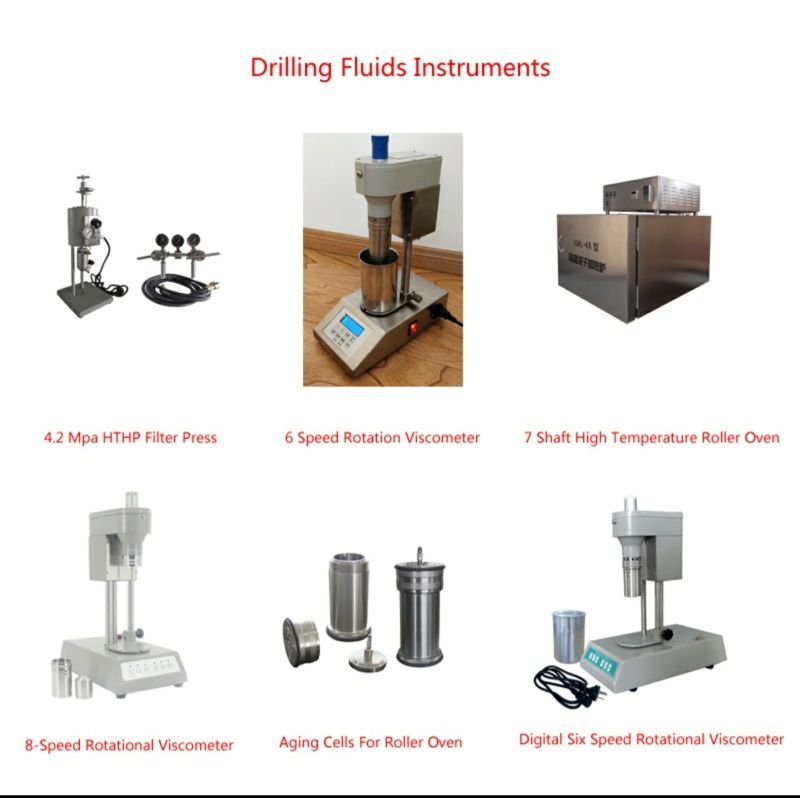
- Laboratory & Testing Skills
Practical knowledge is critical.
This includes experience with:
- Mud balance
- Viscometer
- LPLT filter press
- Retort kit
- ES meter
- Attention to Detail
Small changes in mud properties can have major impacts on drilling operations.
A mud engineer must be precise and observant at all times. - Communication & Teamwork
Mud engineers work closely with:
- Drilling engineers
- Rig personnel
- Other field specialists
Clear communication is essential for safe and efficient operations.
- Adaptability
Conditions change constantly during drilling.
A mud engineer must be able to:
- Adjust quickly
- Make decisions under pressure
- Respond to unexpected challenges
Through this journey, I’ve realized that becoming a mud engineer is not just about learning concepts — it’s about developing the right mindset and skill set for the field.
Professional insight:
Mud engineers — which skill do you consider most critical in real field operations?
Food for Thought:
Which of these skills do you think takes the longest to truly develop?
30 Days of Mud Engineering-Day 1-What Is Drilling
30 Days of Mud Engineering-Day 2-What Is Drilling Fluid
30 Days of Mud Engineering-Day 3-How Does Drilling Fluid Control Formation Pressure
30 Days of Mud Engineering-Day 4-How Do Engineers Determine The Right Mud Weight for a Formation
30 Days of Mud Engineering-Day 6-Mud Weight
30 Days of Mud Engineering-Day 7-Why Must Drilling Mud Flow Properly
30 Days of Mud Engineering-Day 8-What Determines How Drilling Mud Actually Flows Inside The Wellbore
30 Days of Mud Engineering-Day 9-Plastic Viscosity (PV) and Yield Point (YP)
30 Days of Mud Engineering-Day 10-Fluid Loss or Filtration
30 Days of Mud Engineering-Day 11-Retort Test
30 Days of Mud Engineering-Day 12-How Stable Is The Emulsion
30 Days of Mud Engineering-Day 13-Water-Based Mud (WBM) and Oil-Based Mud (OBM)
30 Days of Mud Engineering-Day 14-Shale
30 Days of Mud Engineering-Day 15-Shale Inhibition
30 Days of Mud Engineering-Day 16-KCl–Polymer Mud
30 Days of Mud Engineering-Day 17-What Happens to All the Solids Generated During Drilling
30 Days of Mud Engineering-Day 18-How Do Mud Engineers Remove Unwanted Solids From Drilling Fluid
30 Days of Mud Engineering-Day 19-How Do Mud Engineers Maintain The Right Mud Weight During Drilling
30 Days of Mud Engineering-Day 20-Hole Cleaning
30 Days of Mud Engineering-Day 21-Stuck Pipe (Very High Engagement Topic)
30 Days of Mud Engineering-Day 22-Lost Circulation
30 Days of Mud Engineering-Day 23-Lost Circulation Materials (LCM)
30 Days of Mud Engineering-Day 24-Barite Sag
30 Days of Mud Engineering-Day 25-Gas Contamination
30 Days of Mud Engineering-Day 26-Downhole Temperature Impact On the Drilling Fluids
30 Days of Mud Engineering-Day 27-What Is The Role Of A Mud Engineer
30 Days of Mud Engineering-Day 28-How Dynamic The Role of Mud Engineer
30 Days of Mud Engineering-Day 29-What Skills Are Essential For A Mud Engineer